
David Miles
Master Practitioner of Neuro-Linguistic Programming & Time-Line Therapy
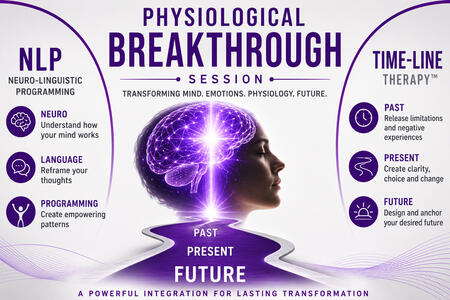
After reading through these details and deciding to go ahead, or even deciding you would like to discuss further, contact me through the media you found me on or email me directly on [email protected]---1:1 Wellbeing & Psychological Breakthrough (Watford-Based)Who This Programme Is For:This programme is for individuals who are ready to take responsibility for changing emotional patterns that are continuing to affect their life.It is particularly suitable for people who:Want to reduce the emotional impact of past experiencesExperience anxiety, stress, panic, or strong negative emotional reactionsHave phobias that are effecting their livesHave addictions or Obsessive Compulsive DisorderNotice trauma-related stress responses, including PTSD-type symptoms or heightened reactivityStruggle with intrusive thoughts, emotional overwhelm, or emotional regulationExperience repetitive behavioural patterns linked to anxiety, fear, or controlHave coping strategies that no longer feel helpfulExperience emotionally driven relationships with food, including all eating disorders and want greater balanceFeel stuck in repeating cycles of thought, feeling, or behaviourWant to move beyond coping and create real internal changeAre ready to commit to a structured, focused processAre open, engaged, and willing to participate fully---Programme Overview:The Breakthrough Programme is a structured, one-to-one programme for individuals who are ready to create meaningful change in how they experience emotional patterns, past experiences, and behaviours that may be affecting their daily life.This is not an ongoing therapy model focused on long-term management.Instead, the focus is on helping you understand and change the underlying emotional patterns that may be keeping you stuck, so you can begin responding differently and move forward with greater clarity, confidence, and emotional control.This is a focused, structured, and outcome-oriented process.---About the Approach:I am a Master Practitioner of Neuro-Linguistic Programming (NLP) and Time-Line Therapy, with over 20 years’ experience supporting individuals through emotional, psychological, and behavioural change work.20 years ago I suffered with PTSD & Severe Anxiety...I tried all the National Health Service could offer but with no success. I then met someone who offered Neuro-Linguistic Programming & Time-Line Therapy as an option and visited him...6 days later I felt so much better and decided to retrain and offer what he did to help me to others. So I have seen these therapies from both sides.My focus is on helping people shift patterns at the level where they are created — thinking, emotional response, and unconscious behaviour — rather than long-term symptom management.Over the years, I have worked with individuals experiencing anxiety-based responses, trauma-related stress patterns, confidence issues, emotional overwhelm, PTSD-type presentations, and deeply ingrained behavioural patterns.NLP (Neuro-Linguistic Programming) and Time-Line Therapy are structured approaches that focus on how the mind stores, processes, and responds to experiences over time.When people go through stressful, overwhelming, or emotional experiences, the mind naturally creates internal patterns to help them cope and protect themselves. Over time, these patterns can continue long after the original experience has passed, even when they are no longer helpful.This can lead to emotional reactions that feel automatic, difficult to control, or out of proportion to the present moment.NLP works by helping to gently interrupt and reshape these internal patterns by changing how experiences are represented and processed in the mind.Time-Llne Therapy works with how emotional memories are stored across time, helping to reduce the emotional intensity connected to past experiences so they feel less overwhelming when recalled.The aim is not to erase memories or avoid emotions, but to change the emotional response attached to them so you feel more in control and more able to respond in a balanced way.I have used these approaches for over 20 years and continue to be genuinely excited by the changes they can support when applied properly and with commitment.In recent years, these methods have gained increasing recognition, and are now being explored in formal research settings, including military-linked clinical studies assessing their effectiveness in supporting veterans with PTSD.Early findings from these studies have been encouraging, showing strong outcomes in emotional regulation and trauma response work, with results that in some cases compare very favourably with more traditional approaches such as EMDR and cognitive behavioural therapy.While research is still developing, this growing interest reflects what many practitioners in the field have observed for years — that structured, targeted change work can have a significant impact on how people process and respond to past experiences.---How NLP & Time-Line Therapy Work:NLP and Time-Line Therapy focus on how the mind stores and responds to experience over time.When people go through difficult or overwhelming experiences, the mind naturally develops emotional patterns to cope and protect itself. Over time, some of these patterns can continue long after the original experience has passed.This can lead to reactions that feel automatic, hard to control, or out of proportion to the present moment.Using NLP, we work to gently interrupt and reshape these internal patterns by changing how experiences are represented in the mind.Time-Line Therapy works with how emotional memories are stored across time, helping reduce the emotional intensity connected to past experiences so they feel less overwhelming in the present.The aim is not to erase the past, but to change how it is experienced internally, so you feel more in control moving forward.---Programme Structure (Delivered Over 7 Days):This is a structured and focused process delivered across approximately 7 days, designed to create momentum and meaningful change within a concentrated timeframe.For many people, this level of focused work means that noticeable behavioural and emotional shifts often begin immediately after the intensive session, and then continue to build and strengthen over the following weeks with the support provided.---Pre-Programme Preparation:Before the programme begins, you will receive pre-reading material and a short video presentation created specifically for clients entering this process.This helps you understand how the programme works and begins preparing your mindset for the work ahead.For many people, change begins here.---Initial Assessment (1-2 Hour – Phone Call)
During this call we will:
Explore your current situationUnderstand what you have already triedReview relevant backgroundConfirm whether the programme is suitable for you---Preparation Session (2 Hours – Microsoft Teams)During this session:I will explain how the mind processes emotional experiences and patternsWe will begin identifying and working with unconscious patterns that may have been running for some timeThis session marks the beginning of the change process, helping to gently interrupt and loosen unhelpful patternsI will prepare you fully for the intensive session ahead---Intensive Face-to-Face Session (5–6 Hours – Watford Area)This is the core change session and may include:NLP and Time-Llne Therapy processesEmotional reframing and processing workReducing emotional intensity connected to past experiencesCreating more helpful patterns of responseStrengthening emotional clarity and control---
This programme can be adapted to be run on Teams if you are based outside of the UK.
---
Behavioural Expectations:To ensure a safe and effective environment:You will be supported and guided throughoutOpenness and willingness to engage are essentialYou will be asked to follow guidance during the sessionIf the session cannot continue due to behaviour that disrupts the process, it may be ended and no refund will be issued.---Integration & Follow-Up Support:Change is not only created in the session — it is strengthened afterwards.To support this, the programme includes:4 weekly 1-hour follow-up callsFollowed by 3 monthly 1-hour follow-up callsYou may also make contact between sessions (within agreed working hours).In addition, there is a small amount of post-session integration work, typically around 5 minutes per day, designed to reinforce and stabilise the changes made during the programme.This is simple, practical, and manageable.Most people do not require ongoing long-term support beyond this structured period.---Ongoing Availability:Once the structured support period ends, you are still able to reach out if you ever need guidance or perspective.In practice, most people do not need this, as the original issues they came in with are significantly reduced or no longer feel relevant.The intention is always independence, clarity, and emotional confidence.---Example Shifts (Real-World Outcomes):Before:
“I knew I was overreacting but couldn’t stop it.”After:
“The situation is still there, but my reaction to it has completely changed.”---Before:
“I felt stuck in what happened.”After:
“It feels like it’s actually in the past now.”---Before:
“I kept trying to think my way out of it.”After:
“My responses have changed without me constantly managing them.”---Time Commitment Summary:The programme includes:1-hour assessment2-hour preparation session5–6 hour intensive sessionFollow-up and integration supportPersonalised preparation and planningAll delivered within a structured 7-day timeframe.---Investment:£1,200 + VATA structured, one-to-one programme designed for focused emotional and behavioural change within a concentrated timeframe.---What This Includes:Full assessment and suitability reviewPersonalised preparation workIntensive one-to-one sessionStructured follow-up supportIntegration guidance and planningEach programme is individually tailored.---Value Perspective:This is not a series of sessions.It is a structured process designed to support meaningful internal change.The value lies in the shift in emotional experience, behavioural response, and day-to-day clarity.---Important Information:Payment is required in advance.The programme begins at the start of the preparation session.Payments are non-refundable once the programme has commenced.---Commitment:For best results:Attend all sessionsEngage openlyFollow guidanceTake responsibility for your involvement---Next Steps:If this feels right for you:Make contactBook your assessment callConfirm suitability before proceeding---Call to Action:If you are ready to stop being driven by emotional reactions and start changing how you experience life, this programme may be the right next step.Take the first step and make contact today.
THE BREAKTHROUGH PROGRAMME
David Miles
Master Practitioner of Neuro-Linguistic Programming & Timeline Therapy